Wildfire Smoke & Ash Cleanup in Flagstaff: the short answer
Wildfire smoke cleanup in Flagstaff removes fine ash and smoke residue from inside the home, cleans or replaces evaporative cooler pads and HVAC filters, cleans ducts when ash got in, launders or deodorizes fabrics and treats remaining odor with HEPA air scrubbing and hydroxyl or ozone. Homes near the Tunnel, Pipeline and Museum fire areas needed exactly this. Typical costs run $1,000 to $8,000.
Flagstaff and wildfire smoke
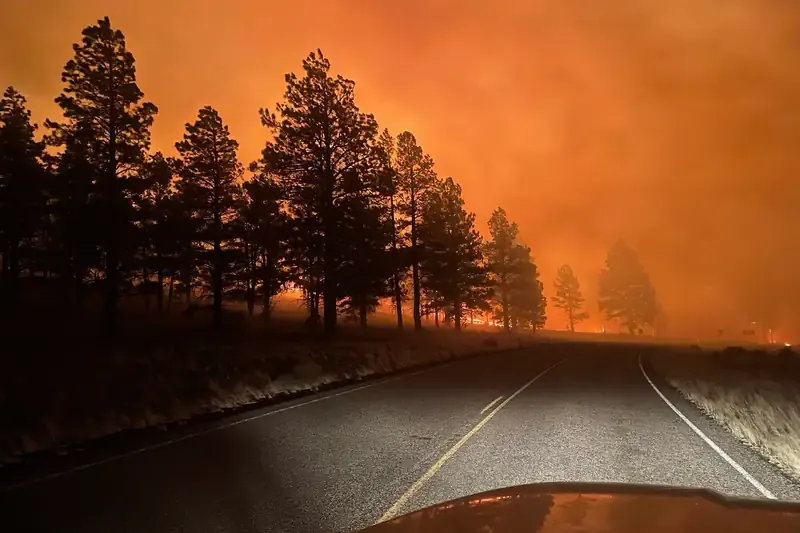
Few cities in Arizona have lived through as much wildfire smoke as Flagstaff. The Schultz Fire in 2010 burned on the east side of the San Francisco Peaks. The Museum Fire in 2019 burned on Mount Elden right above town. In 2022 the Tunnel Fire swept through the area northeast of Flagstaff in April, destroying homes, and the Pipeline Fire burned on the Peaks that June. Each one put heavy smoke and ash over parts of town, and fires farther away on the Mogollon Rim and the Kaibab can fill the valley for days at a time.
Homes that were never in the fire's path still needed cleaning. Smoke enters through open windows, attic and crawl space vents, gaps around doors and, most of all, evaporative coolers, which pull outside air straight into the house by design.
What wildfire smoke and ash do to a house
- Fine ash settles on window sills, floors, furniture and every horizontal surface. It can contain residue from burned structures and vehicles, not just trees.
- Smoke film coats walls and ceilings with a light gray layer, most noticeable on white paint and around vents.
- Odor soaks into curtains, carpet, upholstery, bedding and closets.
- HVAC contamination: filters clog, and ash in returns and ducts gets blown back through the house.
- Cooler pads fill with ash and keep releasing smoke smell every time the cooler runs.
- Exterior residue on siding, decks, windows and outdoor furniture, which tracks back indoors.
How wildfire smoke cleanup is done
- Assess. Technicians check ash depth, soot film on walls and in closets, filters, returns and the cooler, and decide what needs cleaning and what needs only deodorizing.
- Remove ash. HEPA vacuums and damp wiping take ash off surfaces without throwing it back into the air. Dry sweeping and leaf blowers make the problem worse.
- Clean walls and surfaces where smoke film is visible, using the same dry-then-wet process as smoke damage cleanup.
- Cooler and HVAC. Cooler pads are replaced, the cooler basin cleaned, filters replaced and ducts cleaned if ash got into the system.
- Fabrics. Curtains, bedding and clothing are laundered; upholstery and carpet are cleaned with deodorizers. Heavily affected items go through contents cleaning.
- Air and odor. HEPA air scrubbers run while work is underway; lingering odor is treated with hydroxyl or ozone. See smoke odor removal.
- Exterior. Siding, decks and windows are washed so ash doesn't keep tracking in.
Forest-edge neighborhoods
Flagstaff's neighborhoods that back up to national forest, including Timberline and Fernwood, Doney Park, Kachina Village, Mountainaire, Fort Valley and the outlying areas around Bellemont, Parks and Munds Park, see the most smoke and ember exposure. Homes there may also have heat damage on the side facing the fire: warped vinyl siding and window frames, melted gutter guards and scorched decks. If any building material burned, the job becomes fire damage repair as well as cleanup.
Embers can also land in gutters, under decks and in attic vents and smolder for hours after a fire passes. After an evacuation, walk the outside of the house before going in and check those spots.
Costs and insurance
Light ash and odor in an average home typically costs $1,000 to $2,500 to clean. Heavy ash with soot film on walls and duct cleaning more often runs $3,000 to $8,000. Swamp cooler cleaning with new pads costs about $150 to $450, and an exterior wash $400 to $1,500.
Most homeowners policies cover smoke damage from a nearby wildfire even if the house did not burn, and many cover additional living expenses during a mandatory evacuation. Document the ash and soot with photos and dates before cleaning, keep receipts and file promptly; deadlines often follow declared disasters. The guide to wildfire smoke cleanup after an evacuation has the full return-home checklist.
Protecting the house before the next fire season
Smoke cleanup is a good moment to make the next season easier. A few changes reduce how much smoke and ash gets inside when the next fire burns on the forest around Flagstaff:
- Install fine metal mesh over attic, soffit and crawl space vents to stop embers and ash.
- Add a higher-rated furnace filter if the system can handle it, and keep spares on hand.
- Know how to shut down the swamp cooler and close its vents quickly.
- Keep N95 masks at home for cleanup and for days when smoke is heavy.
- Clear pine needles from gutters and roof valleys every spring.
When to clean versus when to wait
During an active fire season, smoke may return several times. It often makes sense to do a light cleanup, replace filters and cooler pads, then schedule deep cleaning and odor treatment once the fire is contained so the house is not cleaned twice. Keep the receipts from the first light cleanup, since insurers usually reimburse both rounds when they are documented.