Fire damage restoration in Bellemont: the short answer
Fire damage restoration in Bellemont (ZIP 86015) covers house and garage fires, wood and pellet stove fires, manufactured home fires and smoke from grass and forest fires that wind pushes across the meadow. Crews board up against Bellemont's wind and snow, drain plumbing in unheated homes, clean smoke and soot and rebuild. Bellemont is about 15 to 20 minutes west of Flagstaff on Interstate 40.
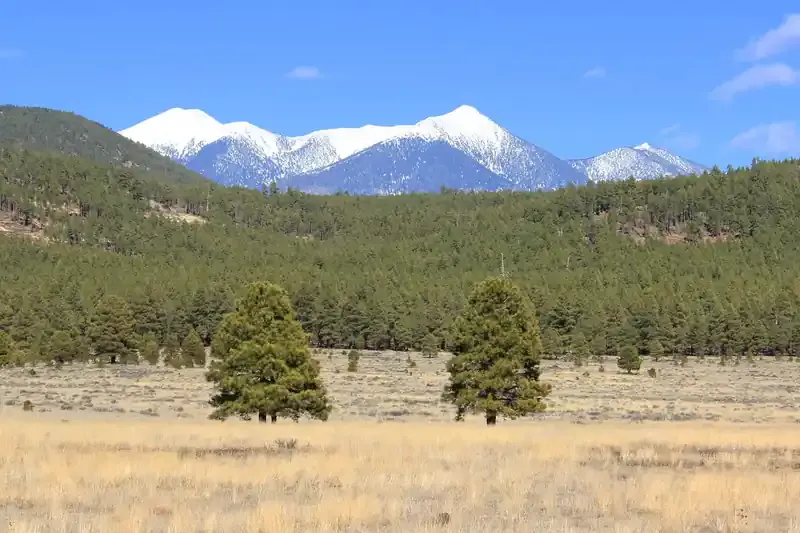

Wind, grass and forest edge
Bellemont's open terrain gives wind a long run. In spring and early summer, dry grass on the meadow and the ponderosa forest beyond it make fast-moving fire possible, and embers carried on the wind can land well ahead of a fire front. Homes along the edge of the forest and on larger rural lots face the most exposure.
Even when a fire passes by, homes can need cleanup: ash on every surface, smoke odor in fabrics and ducts, and heat damage on the side of the house that faced the fire. Vinyl siding and window frames warp, gutters and gutter guards melt, and embers can smolder in attic vents. Wildfire smoke cleanup handles the inside, and fire damage repair covers siding, windows and vents.
Garage, shop and outbuilding fires
Rural lots around Bellemont often have detached garages, shops and sheds with vehicles, fuel, tools and equipment. Fires that start there, from a vehicle, a space heater, a battery charger or hot ash, can spread to the house if the garage is attached. Garage fires leave heavy oily soot from burned plastics, tires and fuel, which smears badly and needs degreasing rather than simple washing. See soot removal for how oily soot is handled.
If the garage is attached, check the shared wall, the attic above it and the door into the house. Smoke often reaches bedrooms through the attic even when the door was closed.
Manufactured homes and stoves
Bellemont has a mix of newer site-built homes, rural properties and manufactured homes. Manufactured homes burn faster and fill with smoke more quickly because of lighter construction and thin interior panels. After a fire, wall and ceiling panels that took heavy smoke usually need replacing rather than cleaning, and the belly wrap under the floor may hold firefighting water that needs draining.
Wood and pellet stoves are common heat sources here. A stove installed too close to a wall, a cracked stovepipe or a chimney fire can scorch framing and fill the home with soot. The chimney and wood stove fire damage page covers inspection and repairs.
After the fire: wind, snow and freezing
Bellemont is a few hundred feet higher than Flagstaff and often colder and windier. A fire-damaged house with broken windows and no power cools quickly. Two things should happen the same day: emergency board-up with plywood and battened roof tarps that can stand up to the wind, and draining the plumbing or running safe temporary heat so pipes do not freeze. Firefighting water already inside is extracted and dried as described on the firefighting water damage page.
Bellemont uses ZIP code 86015, which also covers the rural lots and subdivisions along both sides of Interstate 40 near Camp Navajo, and fire damage service covers the whole ZIP.
Fire restoration costs in Bellemont
A garage fire, cleaned and repaired, typically runs $5,000 to $25,000 depending on whether the house was affected. Smoke cleanup after a stove or chimney fire usually costs $1,500 to $4,000. Manufactured home fire cleanup commonly lands between $4,000 and $20,000. Smoke cleanup after a nearby grass or forest fire usually costs $1,000 to $5,000. The cost guide breaks down the phases.
Ember-resistant upgrades for Bellemont homes
When a fire-damaged Bellemont home is repaired, it is a good time to harden it against the next grass or forest fire. Embers, not walls of flame, ignite most homes during wildfires, and they get in through vents, gutters and gaps.
- Replace damaged attic and crawl space vents with ember-resistant vents or fine metal mesh.
- Use Class A roofing and metal drip edge where the roof is replaced.
- Keep the first five feet around the house free of bark mulch, firewood and dry grass.
- Choose non-combustible siding, or at least non-combustible material for the bottom few feet.
- Enclose the underside of decks or keep them clear of stored items.
Many of these cost little extra when the work is already being done, and some insurers ask about them.
What to expect on a Bellemont fire call
Because Bellemont sits along Interstate 40 with open approaches, crews can usually reach a home quickly in normal weather. The first visit focuses on closing up the house against wind, checking for embers outside, draining water lines if the power is off and photographing everything. Cleanup and contents work follow within a day or two, and rebuild scheduling depends on permits from Coconino County and material deliveries.
Living near Camp Navajo and the interstate
Bellemont's location along Interstate 40 and beside Camp Navajo means fires on the highway corridor, such as vehicle fires that spread into roadside grass, can put smoke over the community with little warning. Keeping dry grass mowed around homes and outbuildings and clearing tumbleweeds from fences reduces how far those fires can spread toward houses. A mowed strip along the driveway also gives fire crews a safer place to work if a grass fire does reach the property. around homes and outbuildings and clearing tumbleweeds from fences reduces how far those fires can spread toward houses.