Updated · Fire Damage Flagstaff
The short answer
When you return after a wildfire evacuation, wait for the official all-clear, check the outside of the house for smoldering embers in gutters, under decks and in vents, then air the house out with the HVAC and swamp cooler off. Remove ash with a HEPA vacuum and damp cloths, discard exposed food, replace filters and cooler pads, and document everything for insurance. Persistent odor or soot needs professional cleaning.
Flagstaff's evacuations
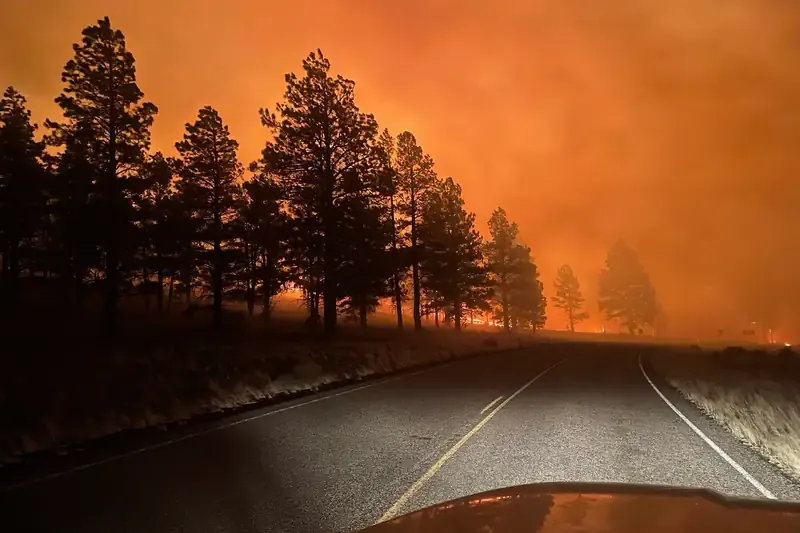
Flagstaff neighborhoods have been evacuated several times in recent years. The Museum Fire in 2019 led to evacuations on the north side of town below Mount Elden. The Tunnel Fire in April 2022 forced evacuations northeast of town and destroyed homes, and the Pipeline Fire that June emptied neighborhoods on the north and east sides of the Peaks. Coming home after each of those meant the same questions: is it safe, what do I clean, and what do I tell my insurer?
Before you go inside
- Return only when Coconino County or the fire department lifts the evacuation order for your area and roads are open.
- Walk around the house first. Embers can smolder for days in gutters full of pine needles, under decks, in wood piles, in bark mulch and in attic and crawl space vents.
- If you smell gas, leave and call the gas company from a distance.
- Look for downed power lines and stay far from them.
- Check for heat damage on the side facing the fire: warped vinyl, cracked windows, melted gutter guards, scorched siding or decking.
- Bring N95 masks, gloves, a flashlight, water and phone chargers.
The first hours inside
- Air it out if outdoor air quality is good; check the AirNow reading first.
- Keep the HVAC and swamp cooler off. Replace the furnace filter before running the system, and replace cooler pads, which trap ash and blow smoke smell into the house.
- Check the refrigerator. If the power was off for more than a few hours, discard perishable food. Throw out anything on counters or in open containers.
- Check the water. On city water, follow any notices from the City of Flagstaff. On a private well, have the water tested if the well house or wellhead was exposed to heat or firefighting.
- Photograph everything before you clean: ash on sills and floors, soot on walls and around vents, damaged items, the outside of the house.
Cleaning ash safely
Wildfire ash can carry residue from burned structures, vehicles and household chemicals, and it is very fine. The goal is to remove it without putting it back in the air.
- Wear an N95 mask, gloves and eye protection.
- Use a HEPA vacuum, not a standard vacuum, on floors, sills, window tracks and upholstery.
- Wipe hard surfaces with a lightly damp cloth and mild soap, rinsing often. Never dry sweep or use a leaf blower inside.
- Wet ash outside lightly before sweeping, and keep it out of storm drains.
- Launder clothing and bedding; heavily smoked items may need professional cleaning.
- Keep children, pets, older adults and anyone with asthma or heart disease away during cleanup.
When to call for professional cleanup
Light ash on hard surfaces is a reasonable do-it-yourself job. Professional wildfire smoke cleanup makes sense when any of these is true:
- There is a gray or black film on walls, ceilings or around vents.
- The smell comes back after airing out and cleaning, especially on warm afternoons.
- Ash got into the ductwork or the cooler ran during the fire.
- Carpets, upholstery and curtains still smell after cleaning.
- Anyone in the home has breathing problems.
Professional cleaning uses HEPA air scrubbers, residue-matched cleaners, duct cleaning and odor treatment such as hydroxyl or ozone. See smoke odor removal. If any part of the house burned, the work also includes fire damage repair.
Insurance after an evacuation
Most homeowners policies cover smoke damage from a nearby wildfire even if the house did not burn, and many cover additional living expenses during a mandatory evacuation, such as hotel stays and meals above normal spending. Document the damage before cleaning, keep receipts and file promptly; insurers often set deadlines after declared disasters. The smoke damage insurance guide explains what adjusters look for.
Getting ready for the next one
- Clear pine needles from gutters, roof valleys and under decks every spring.
- Keep a five-foot zone around the house free of bark mulch and firewood.
- Install fine metal mesh over attic and crawl space vents.
- Keep N95 masks, spare HVAC filters and cooler pads on hand.
- Sign up for Coconino County emergency alerts and plan two routes out of your neighborhood.
- Keep insurance documents and a home inventory in the cloud.
The printable fire emergency checklist is worth keeping by the door.
Wells, septic and outdoor systems after a fire
Rural homes around Flagstaff often depend on private wells, storage tanks and septic systems. If the fire came close, have the well house, wellhead and pressure tank checked for heat damage before using the water, and consider a water test. Plastic water lines near the surface can melt in an intense fire. Septic systems are rarely damaged by fire itself, but fire trucks and equipment driving over the drain field can crush lines; mention it to the septic company if heavy vehicles were on the property.
Returning to a rental or second home
If you rent or own a second home, coordinate with the landlord or property manager before going in. Document the condition for both insurers, since the building and contents may be covered by different policies. Renters should photograph their own belongings separately and file with their renters insurer, even if the landlord is handling the building.
Related questions
Can I wash wildfire ash off my deck with a hose?+
Lightly wet it first to keep dust down, then sweep or rinse it into landscaping, not the street. Avoid pressure washers that blow fine ash into the air.
Should I throw out food from my freezer after an evacuation?+
If the power stayed on and the freezer stayed closed, food is usually fine. If power was out long enough for food to thaw, or smoke got inside, discard it.
Is it safe to stay in a house with smoke smell after a wildfire?+
Light odor usually fades with airing and cleaning. Persistent odor, soot film or ash in the ducts should be professionally cleaned, especially for children and people with breathing problems.
Should I replace my HVAC filter after a wildfire?+
Yes, before running the system. If ash got into the ducts, have them cleaned too.
Does insurance pay for a hotel during a wildfire evacuation?+
Many policies cover additional living expenses during a mandatory evacuation. Check your policy and keep receipts.